Putty Passiv
Response
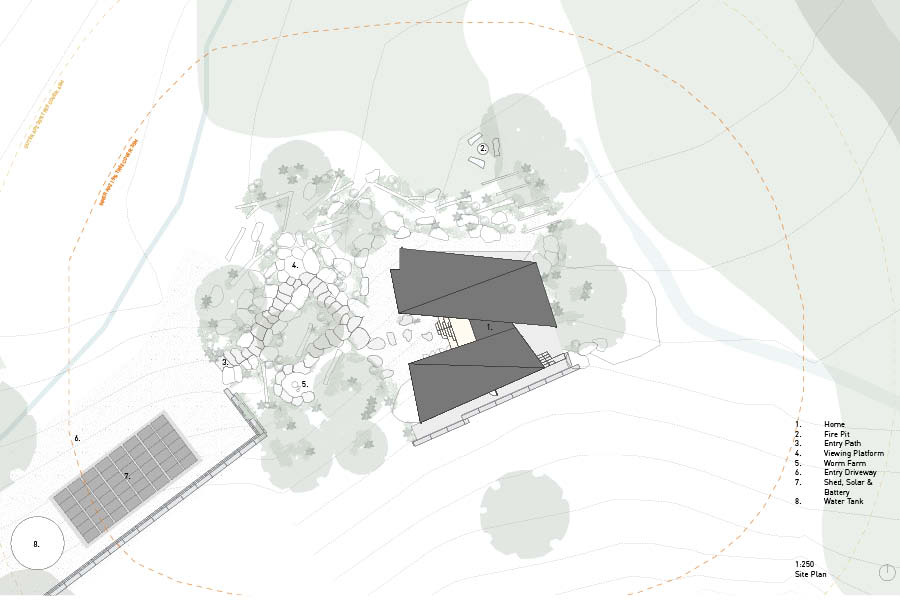
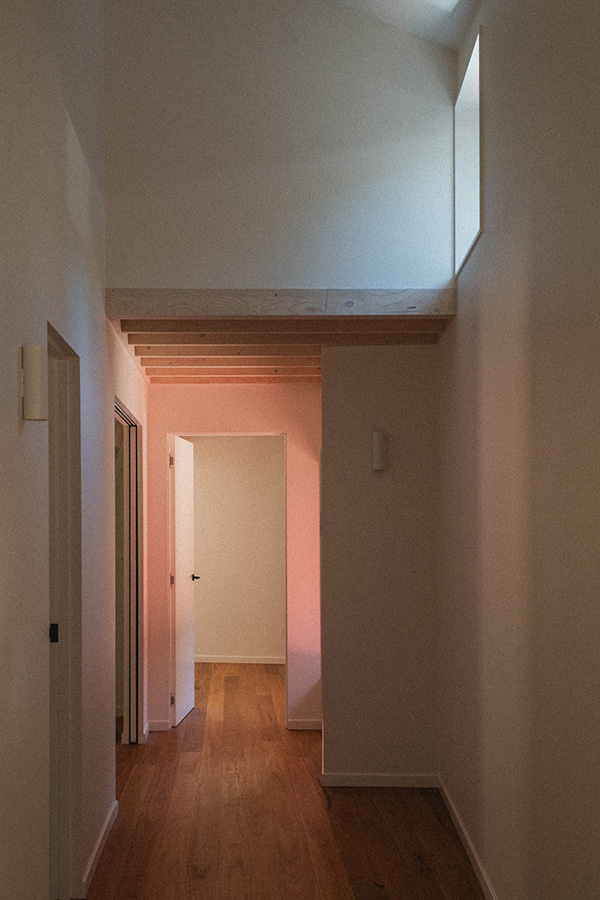
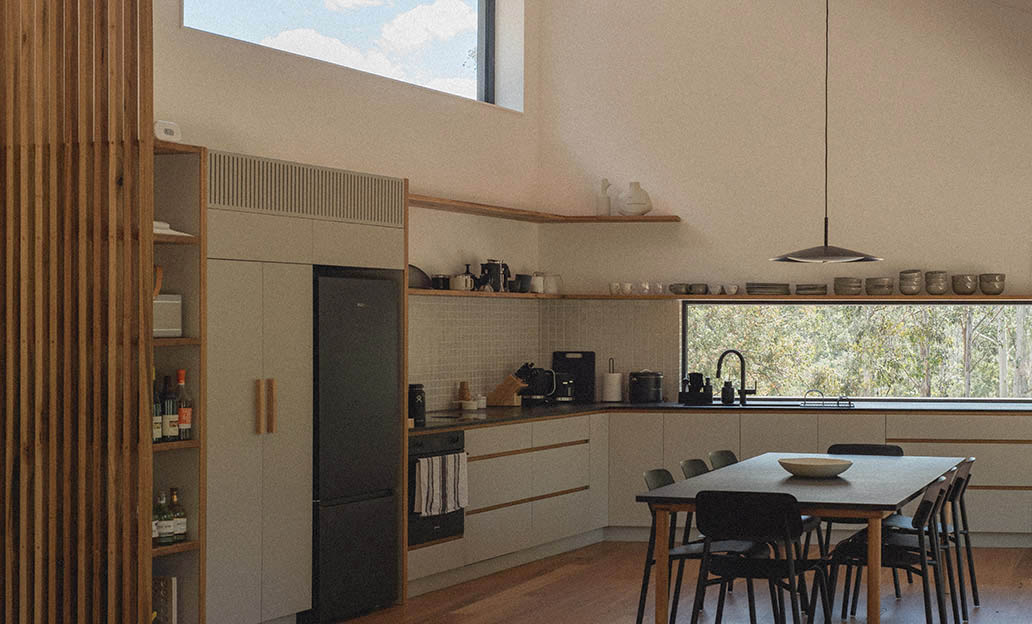
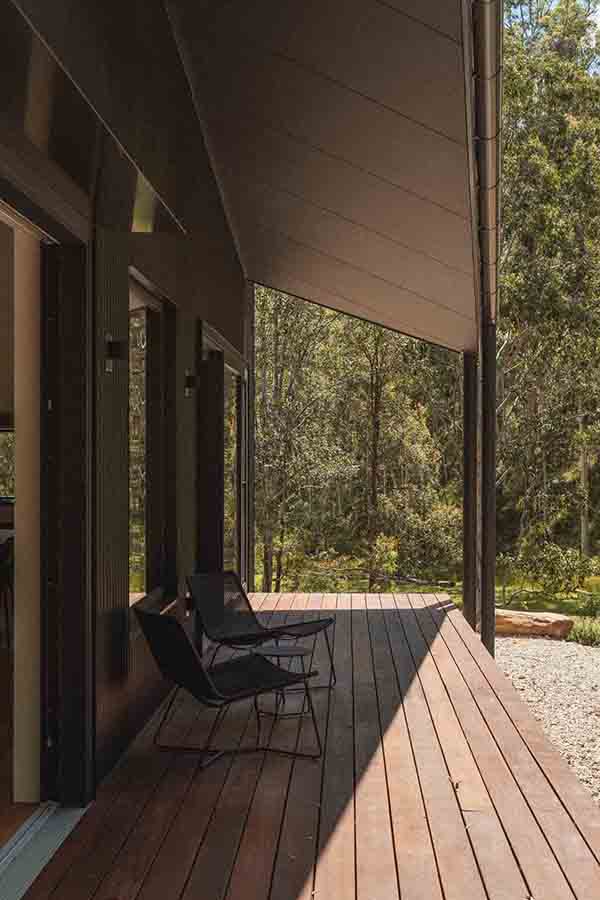
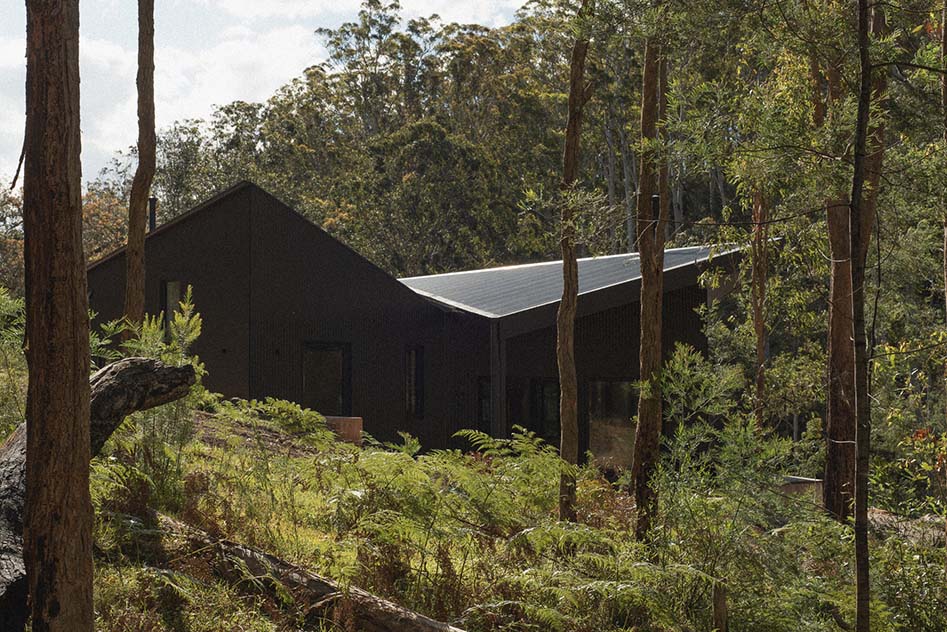
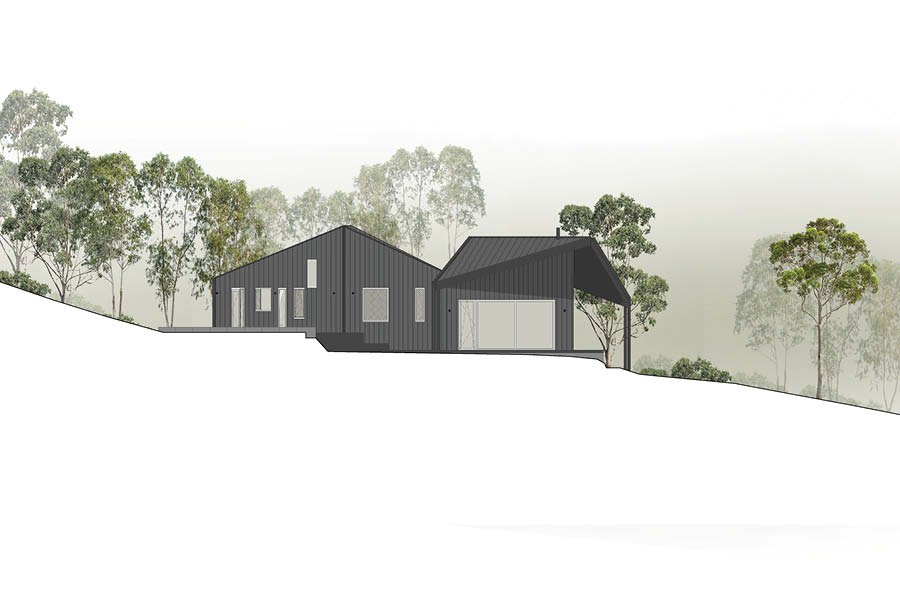
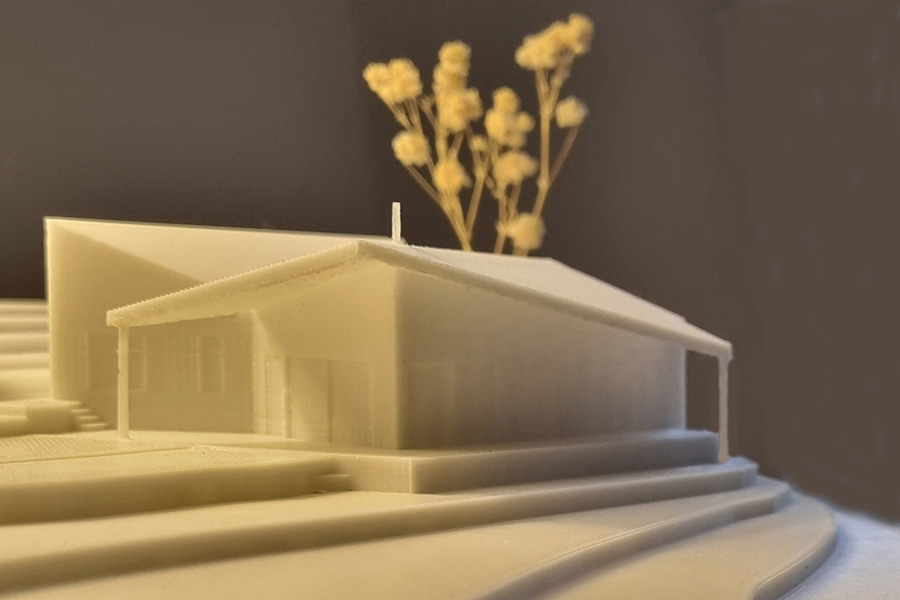
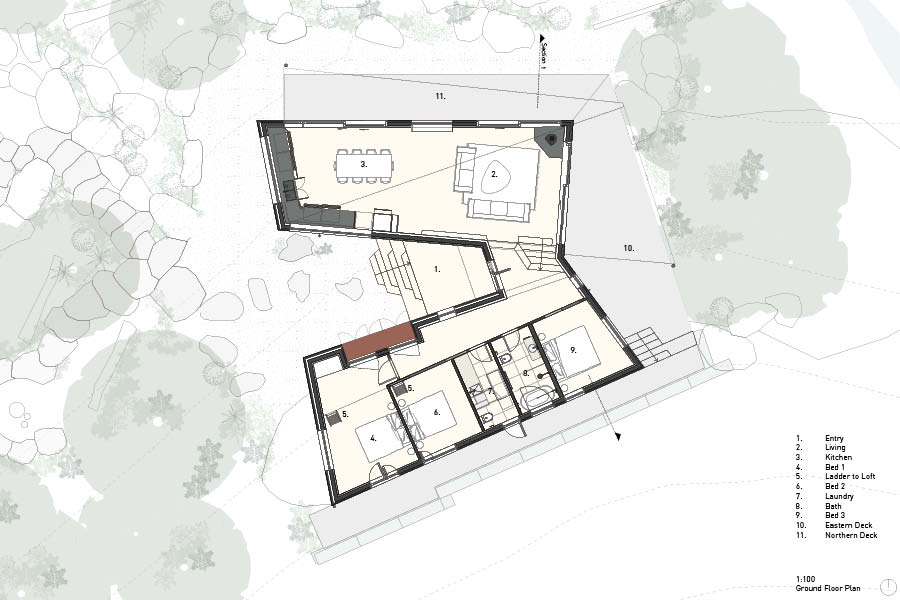
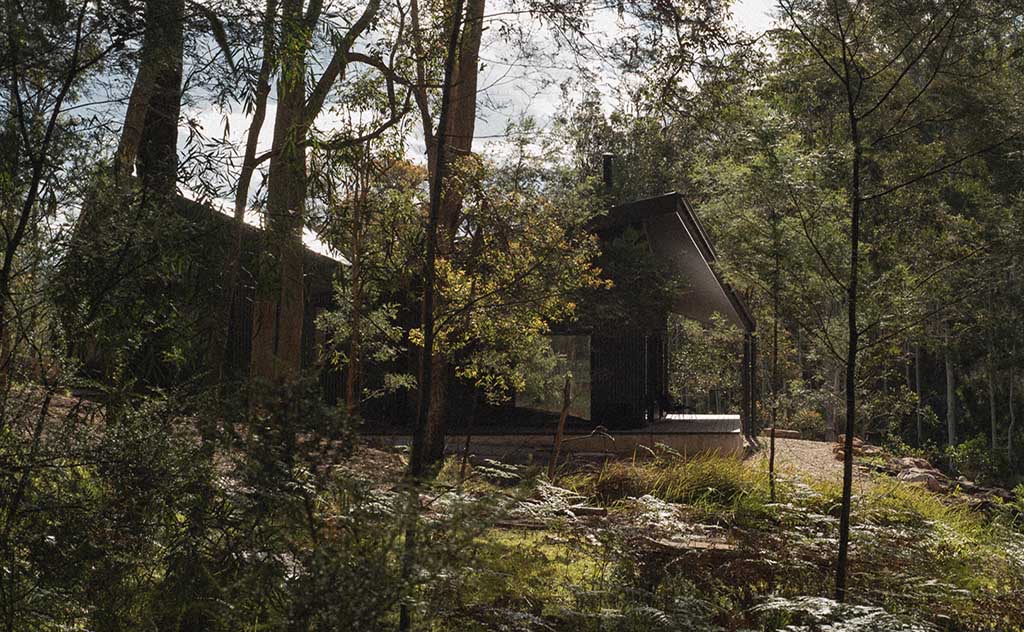
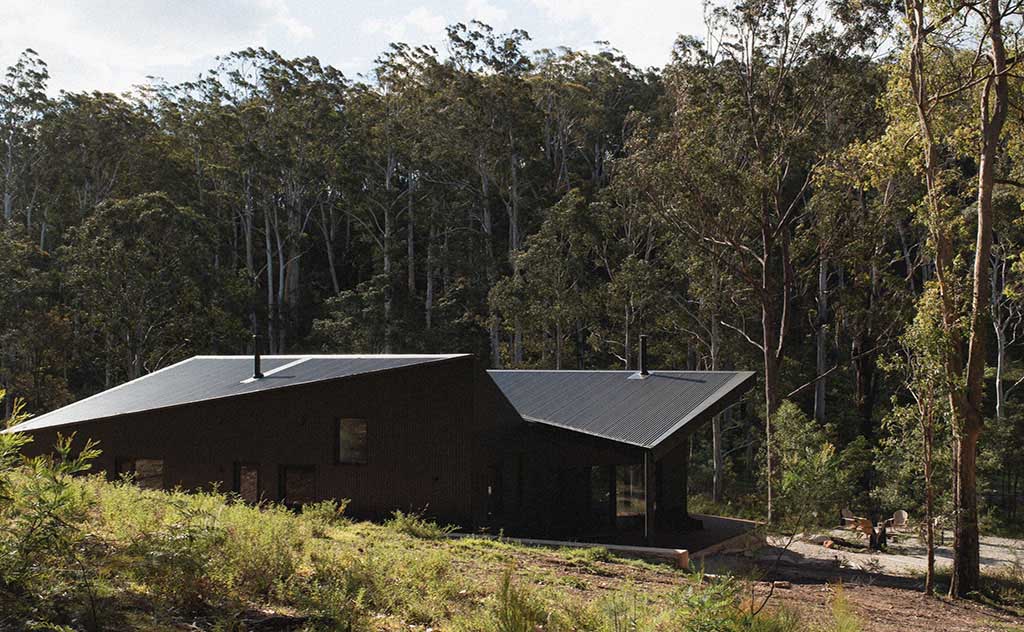
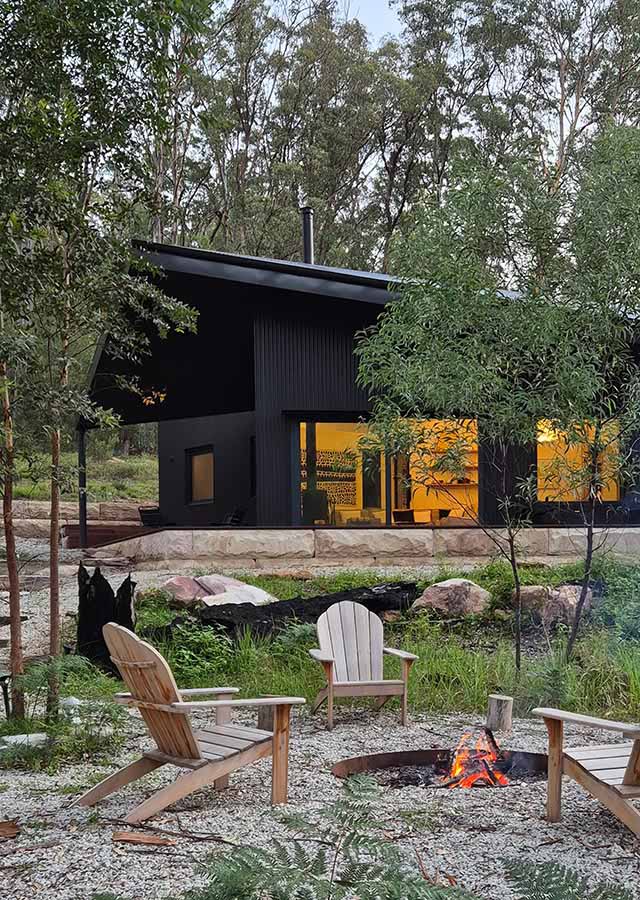
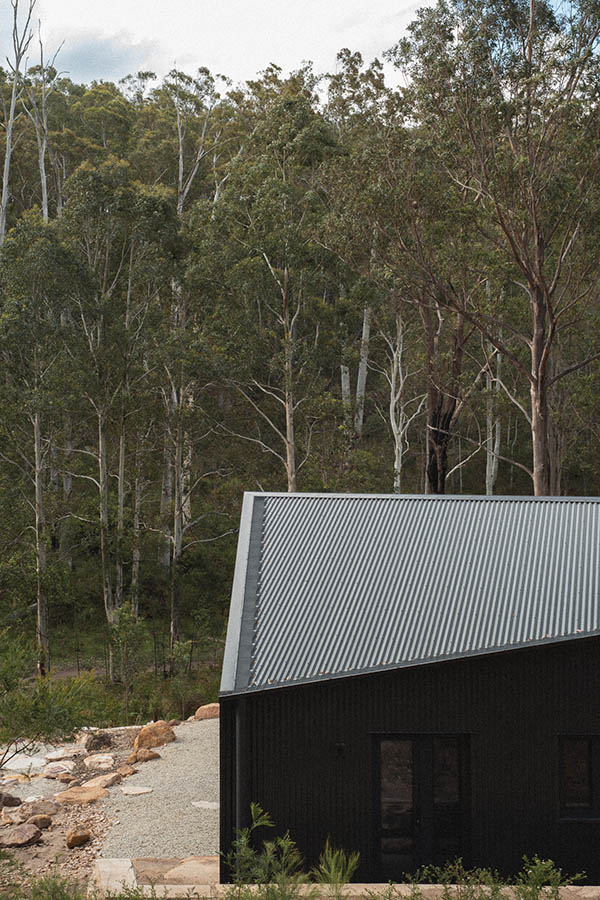
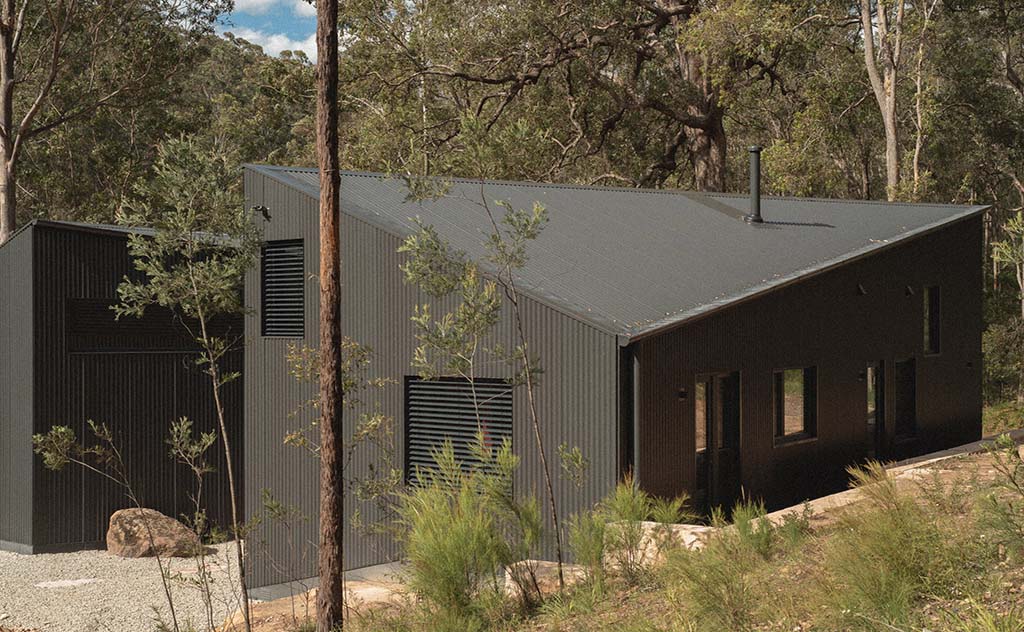
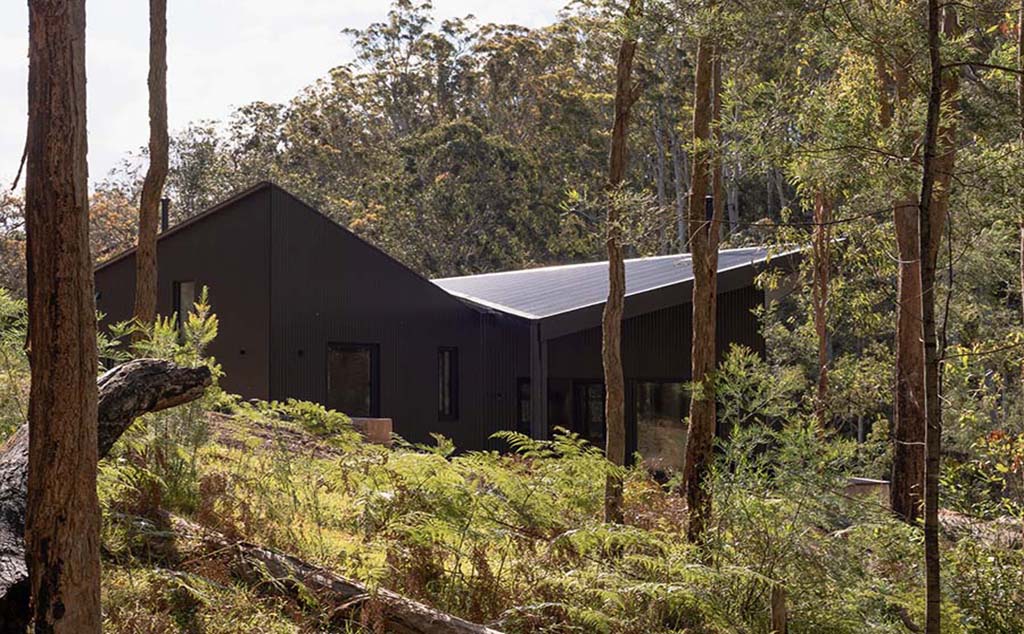
Nestled in the tranquil and sheltered Putty Valley, Putty Passiv is an off-grid camper’s refuge. Occupying Wonnarua and Darkinjung Country, Putty Passiv has been designed to sit within the landscape, blending into its surroundings and positioned away from sightlines from Putty Valley Road. Adhering to the Passivhaus framework, the design of the home reflects a gradual evolution in thinking in response to bushfire resilience and environmental performance. The single storey bushland retreat comprises of two pavilions, with living, kitchen and dining spaces to the north and main entry, bathroom, mudroom/laundry, and bedrooms to the south.
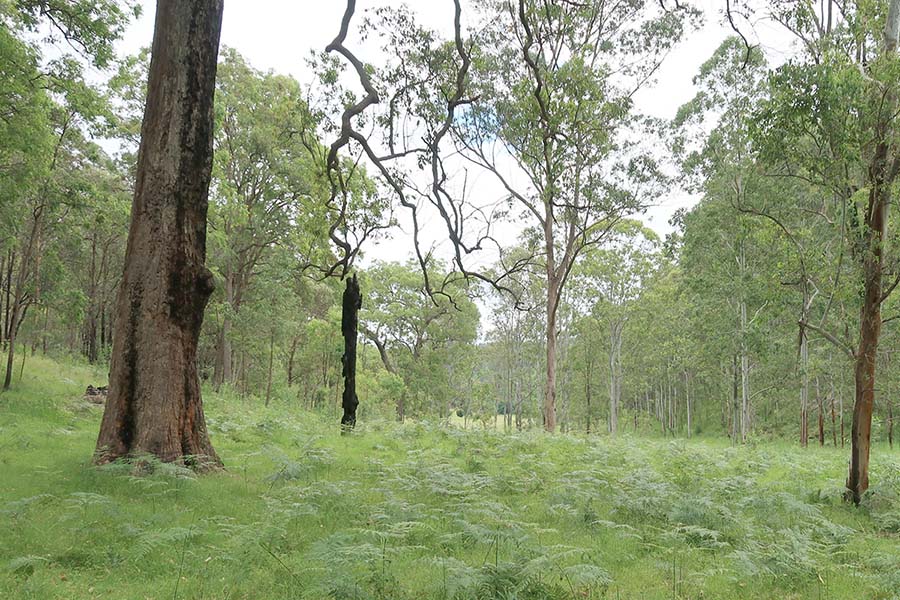
Original schemes positioned the living spaces facing west, but the house was later reorientated to look towards the significant ‘mother’ tree on the site, a large Angophora floribunda, centring the house around the majestic landscape. With solar exposure limited by surrounding trees, the topography and hillside was carefully modelled to achieve optimal winter solar gain, optimising the northern pavilion’s solar access throughout the day, whilst providing adequate shading during the heat of summer.
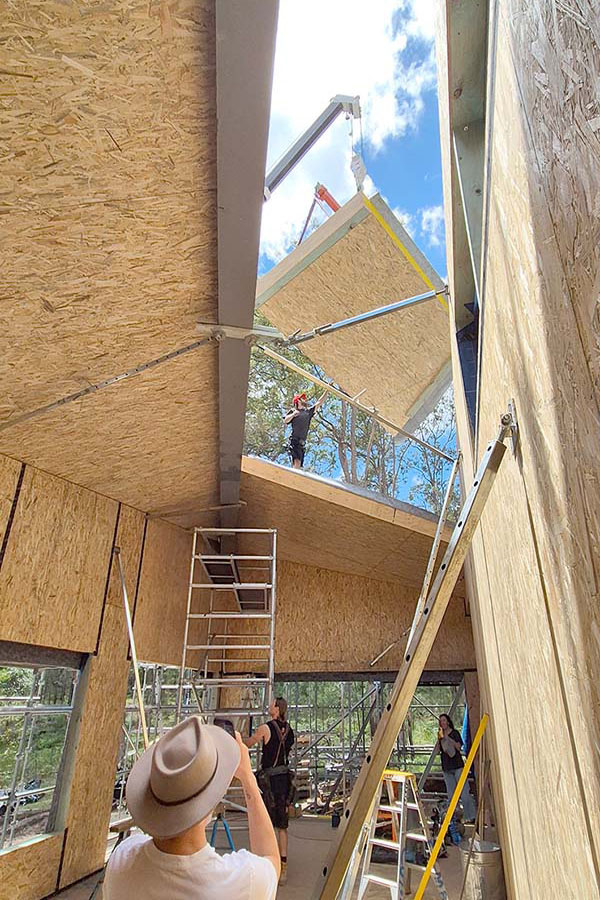
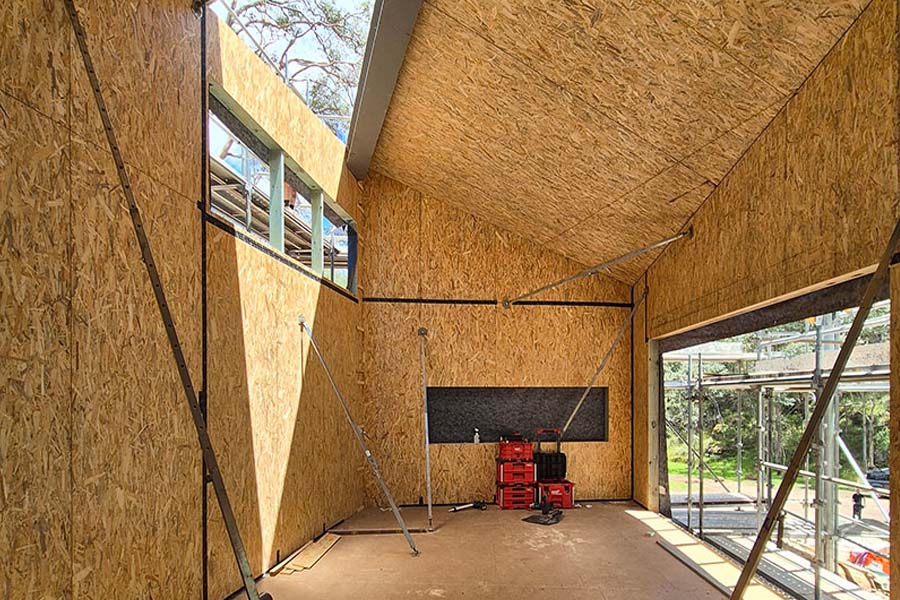
Achieving Passivhaus certification, the retreat demonstrates rigorous attention to energy efficiency and occupant comfort. Putty Passiv maintains an airtightness of 0.6 ACH, a key metric in reducing energy demand and ensuring thermal stability. Additionally, prefabricated wall, floor and roof panels were manufactured to meet Passivhaus standards, enabling precise control over insulation, thermal bridging, and overall performance.
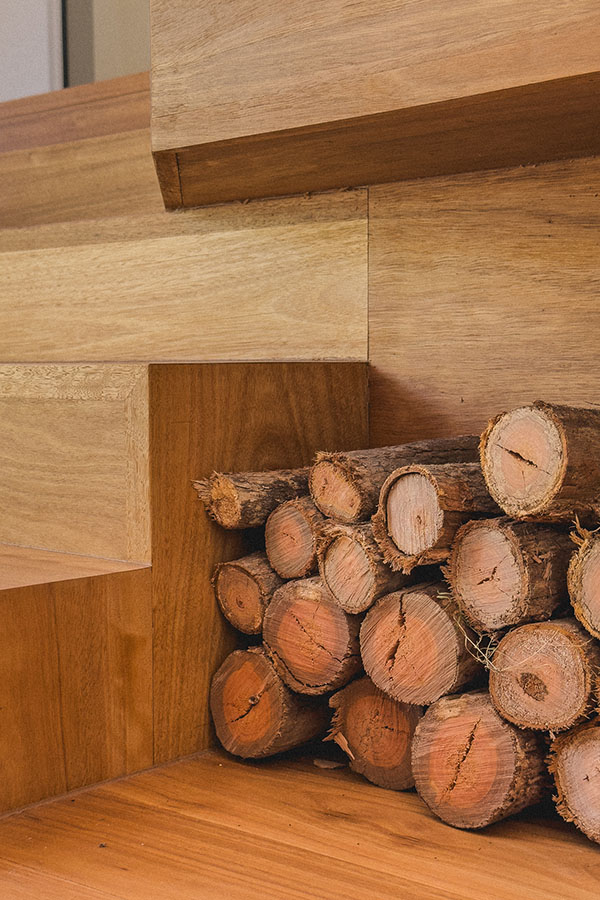
A unique aspect of this home is that it is one of the first Passivhaus-certified building in Australia to incorporate a fireplace. Traditionally, fireplaces conflict with the airtightness requirements of Passivhaus standards, but here the design was carefully resolved with direct fresh air supply and a certified ultra-low emissions (ULE) unit. The chosen fireplace, a Jotul F162, was deliberately low output to ensure it would not overheat the house, functioning instead as a comforting backup during the winter months rather than a primary heating source. Additionally, two small, highly efficient air-conditioning units (one in each pavilion) can run the entire home independently, ensuring flexibility and resilience in the system design.
Intense bushfires of February 2018 left visible scorch marks and scars across the remaining trees and remnant bushland. In response, Putty Passiv has been designed diligently to ensure the safety of occupants and assets during bushfire events, while also providing for controlled, optional burning of surrounding bushland when appropriate. External façade materiality and fenestration schemes have been designed to provide both excellent interior environmental conditions and maximum protection of the dwelling in the event of a bushfire. A home that is airtight and well-sealed is also highly resistant to the embers and smoke during a bushfire, demonstrating the alignment of Passivhaus principles with bushfire resilience. Putty Passiv has been designed to not simply protect the home against natural forces but accommodate the processes of Country, allowing the home to support human safety and ecological health.
Key Features
- The clients have been in for 9 months and the back up generator is yet to be needed. Contact us to find out how this was achieved
- 18.5 kW PV Solar Array System – Daily Solar Generational of 77.4 kWh (Year 1)
- 28.8kWh Battery Storage with space to double capacity
- EV Charging Station – fitted to the adjacent garage with surplus energy from solar used to charge electric vehicles.
- Sustainable on-site sewerage management system using an A&A Worm Farm.
- 60KL Rainwater Collection – Tank is fitted with 65mm Storz fitting for firefighters along with fire hose reel at shed and house.
- Putty Passiv achieves the internationally recognised Passivhaus ‘Plus’ certification, with a heating & cooling demand of 13kWh/m2a, airtightness of 0.6 air changes per hour @50 pascals. The Plus certification means the home is certified to produce more energy than it uses, year round.
- BAL-40 detailing and specification that mitigates the impact of embers, debris, heat, and flames, from a potential bushfire.
- The home achieved a 5 out of 5 bushfire rating using the resilienceserating.org app for bushfire resilience. This score enables the home to receive a 20% reduction on its insurance premium.
- Prefabricated and Passivhaus compliant floors (R6.7), walls (R4.0) and roof (6.7) panels by Evan Graham Master Builder.
- Total embodied carbon calculations reveal Putty Passiv achieves a global warming potential of 12 kgCO2e/m2 over a 50 year lifespan. Using Rapid LCA the home achieves a 238% ‘whole of life carbon footprint improvement’ compared to an average 3 bedroom, 6 star home.
- A mechanical heat recovery system to ensure constant supply of fresh air to occupants and increased efficiency of heating and cooling. The fireplace is monitored with a CO sensor linked to the heat recovery unit.
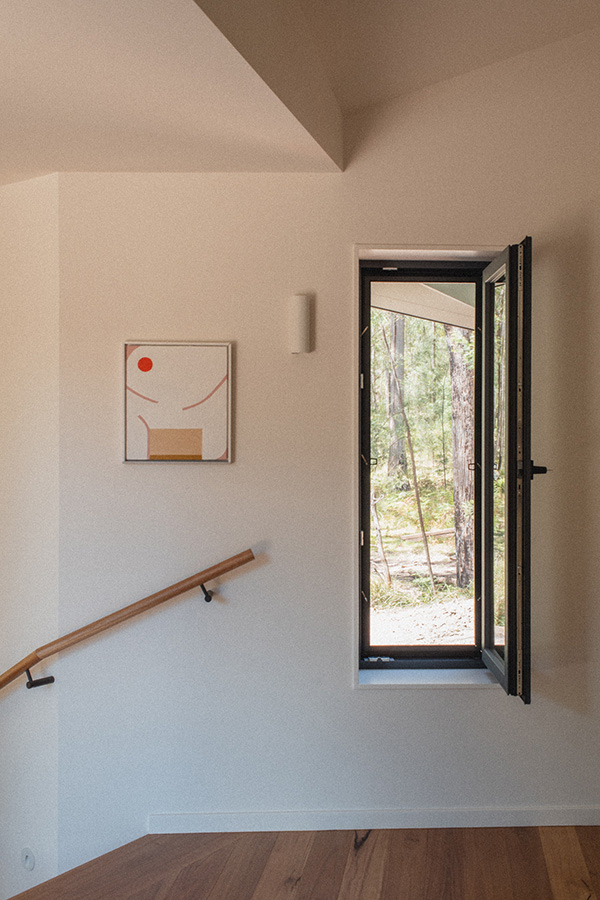
- Strategic placement and design of glazing, eaves and external blinds to limit solar heat gain during summer and maximise heat gain in winter.
- One of the first Passivhaus certified building in Australia to include fireplace – The Jotul F-162 fireplace is connected to external fresh air supply and suitable for low effect heating with an output of only 3Kw.
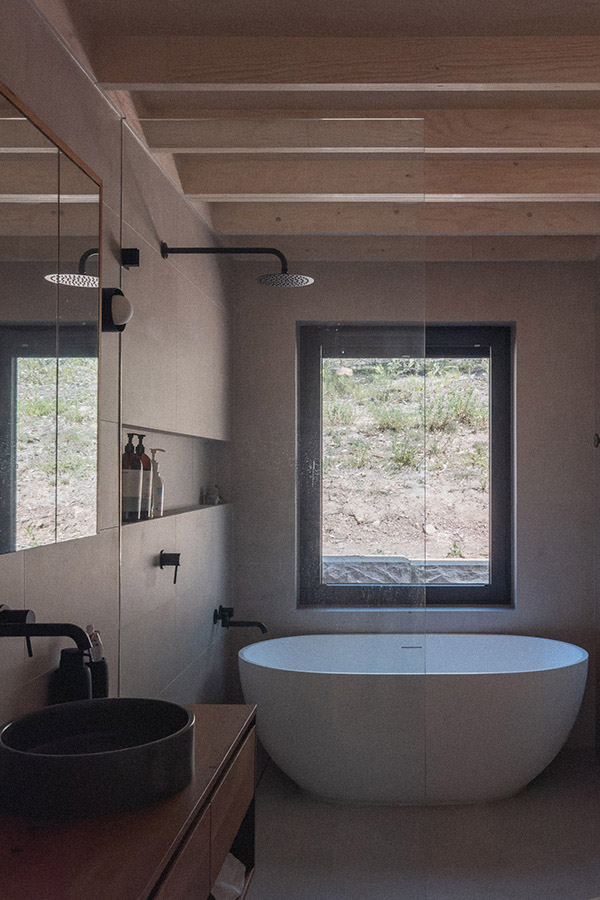
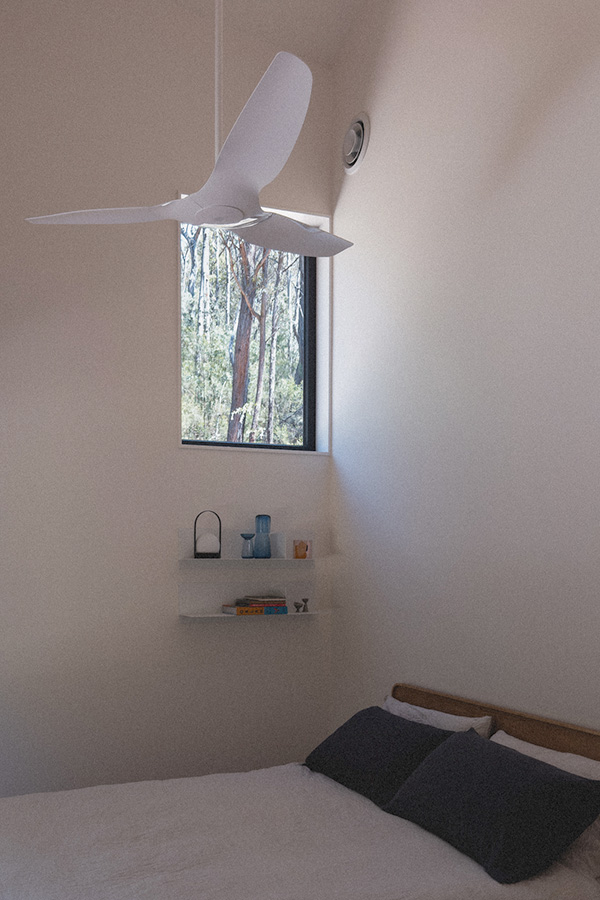
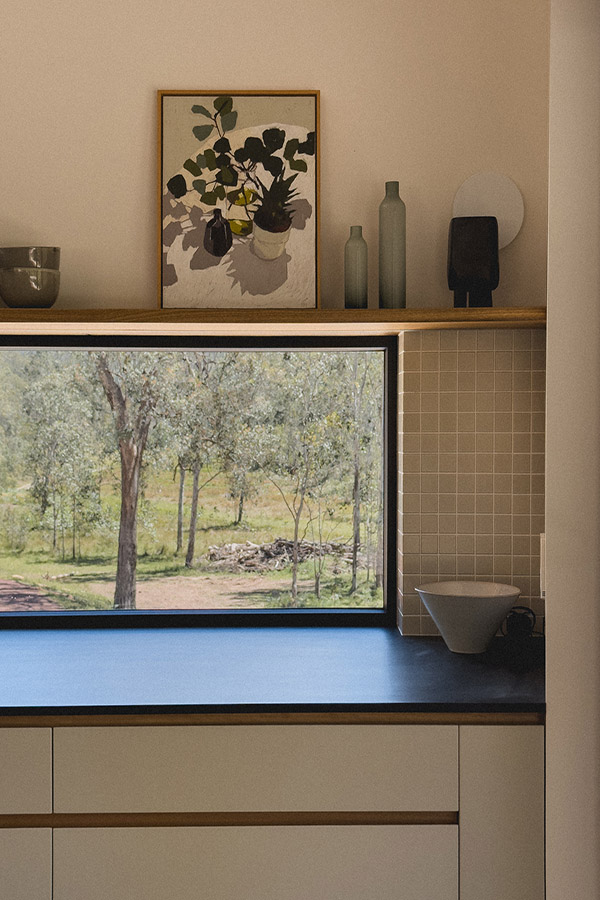
This house is a luxurious bush retreat allowing us a high level of comfort whilst being immersed in the natural environment. The simple layout allows for simple and relaxed living. Vast windows and high roof lines provide the perfect aspect of the soaring trees and abundant wildlife. With decking on all sides there are plenty of options to sit outside, whether seeking sun or shade throughout the day. The Passivhaus design allows us to enjoy our bush sanctuary throughout the year without worrying about the extremes of heat and cold. There is also the added comfort in knowing the house has been designed with consideration of bush fire safety.
Client testimonial